A simple guide to Yamas and Niyamas in yoga. Learn how these principles shape habits, mindset, and everyday life through practical examples.
Yoga Is More Than Physical Practice
Most people come to yoga through the body—movement, flexibility, strength.
But at some point, a question appears:
Is this all?
Yoga is not only about poses. It is also about how you live, how you react, how you think, and how you treat yourself and others.
This is where Yamas and Niyamas come in. They are simple in theory—but not always easy in practice.
What Are Yamas and Niyamas?
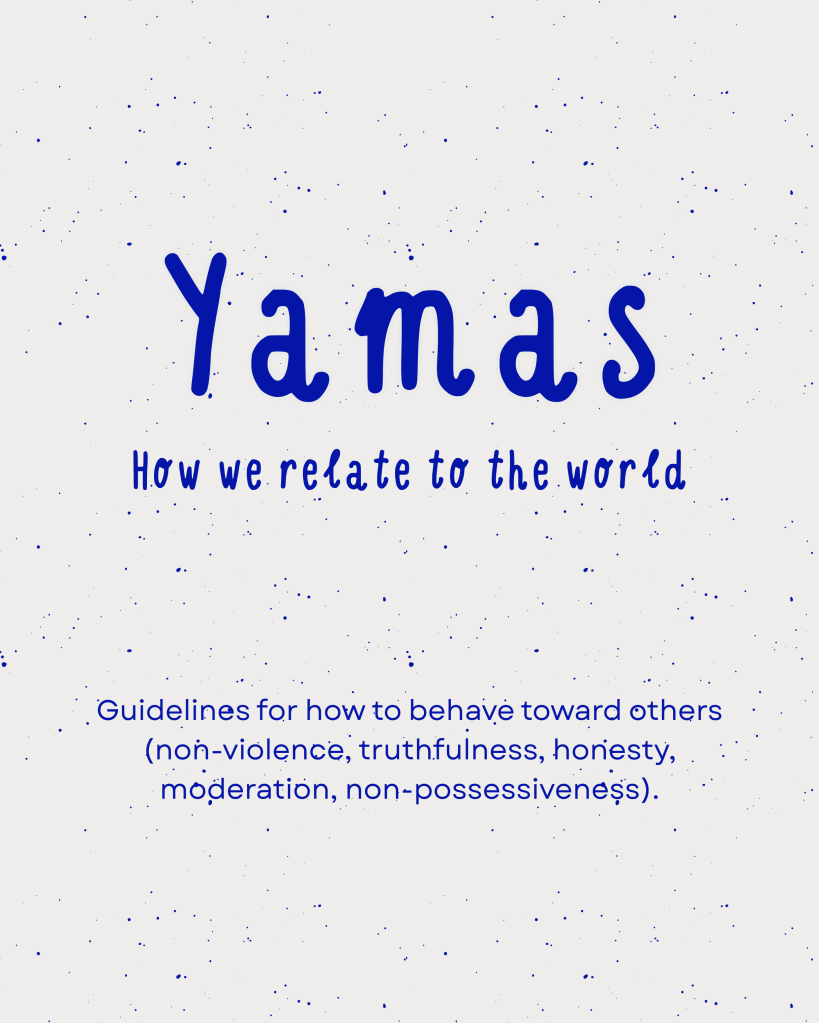
Yamas and Niyamas are the foundation of yoga philosophy.
- Yamas = how you relate to the world
- Niyamas = how you relate to yourself
You can think of them as guidelines, not rules.
Not something to follow perfectly—but something to return to.
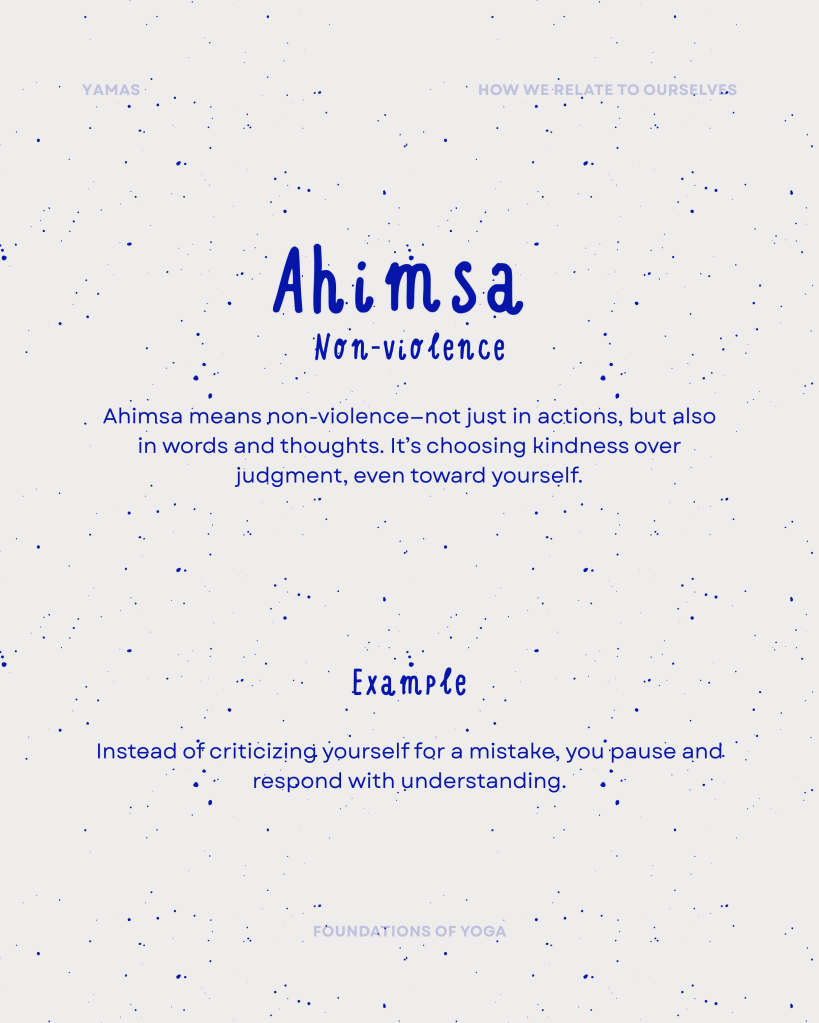
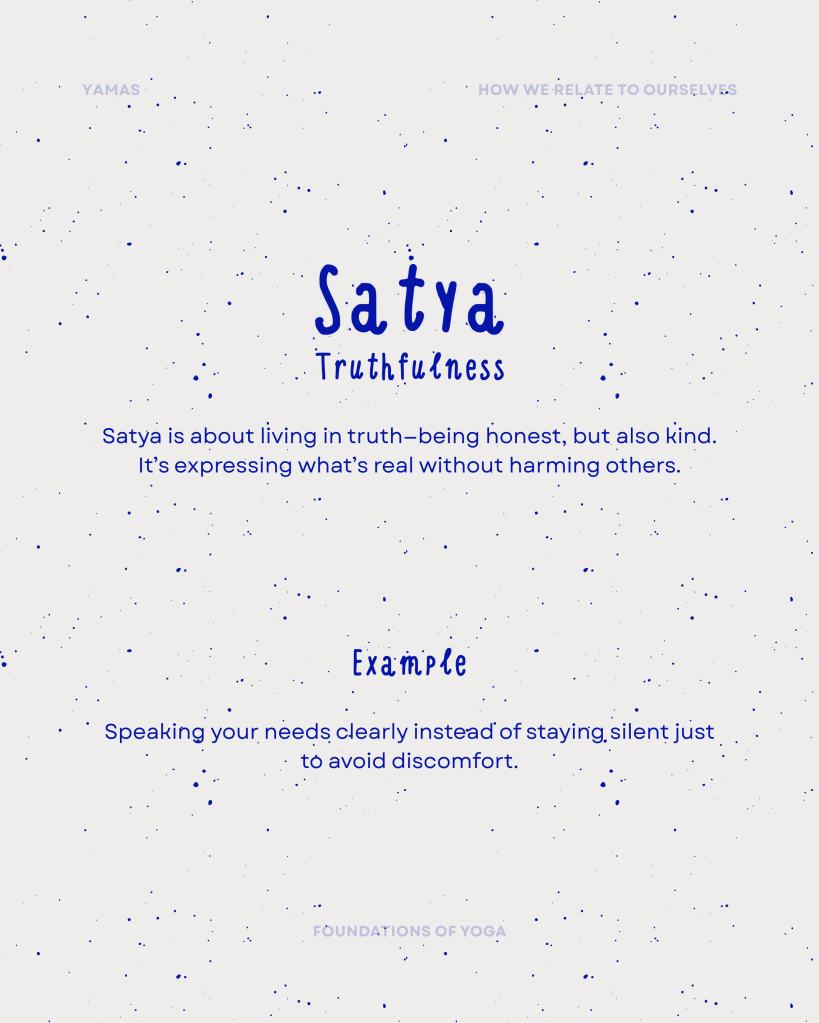
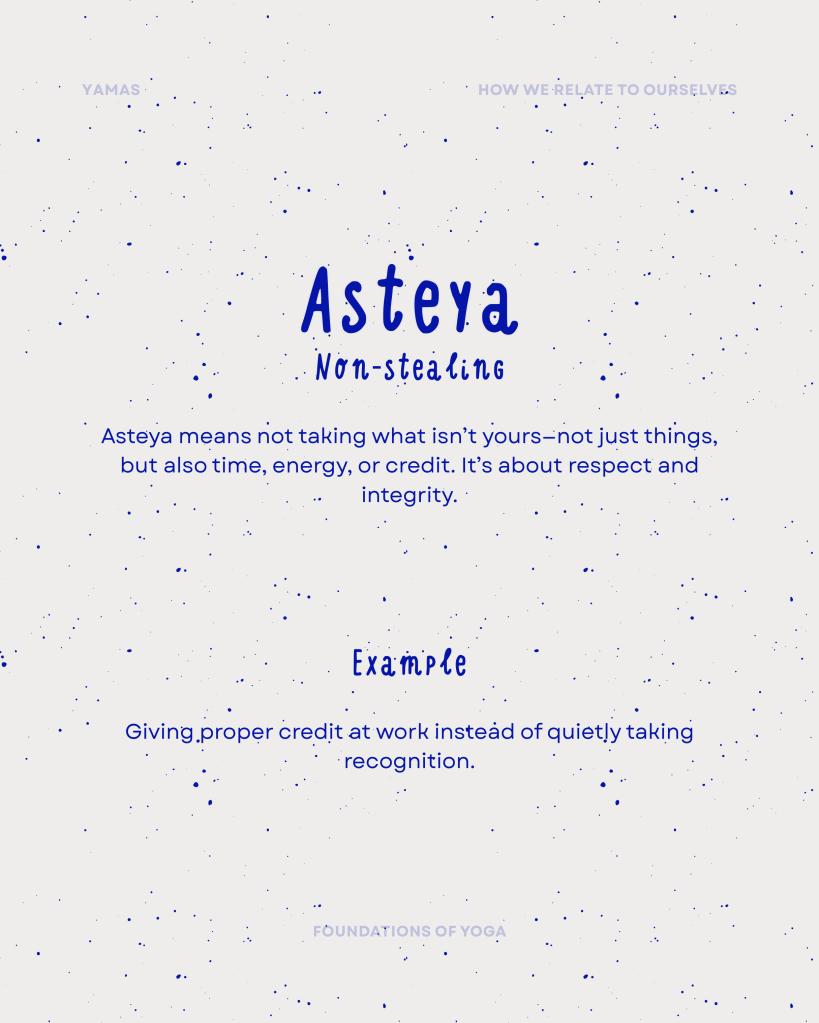
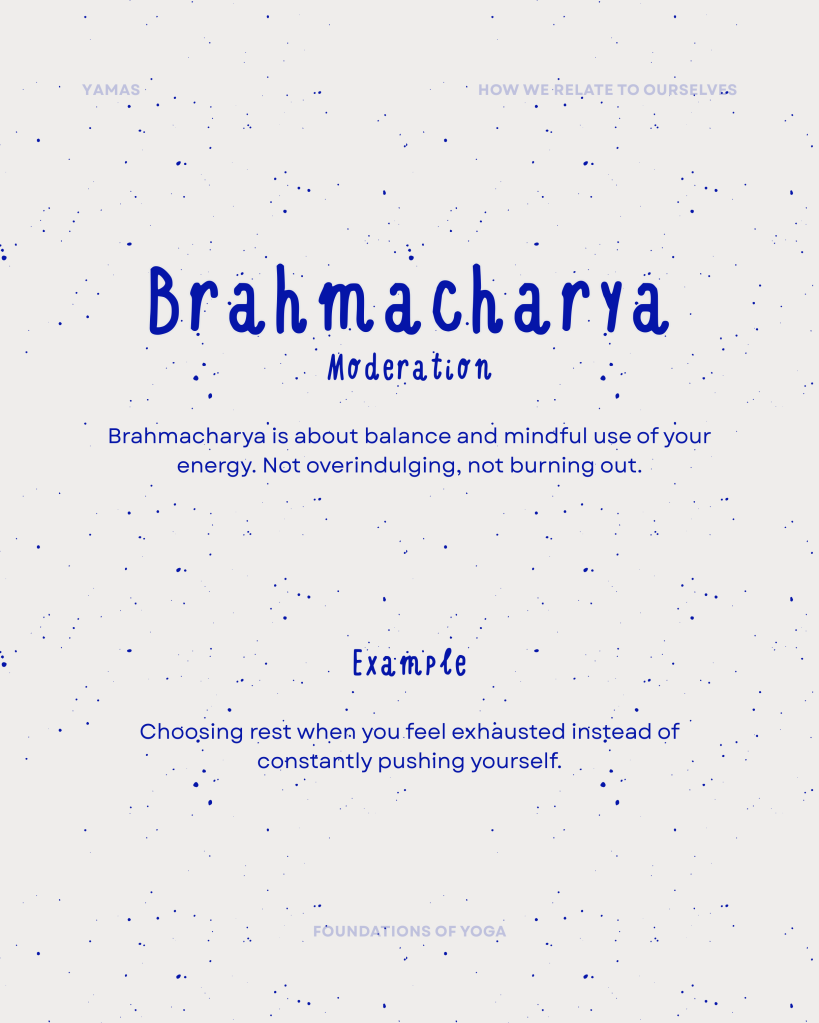
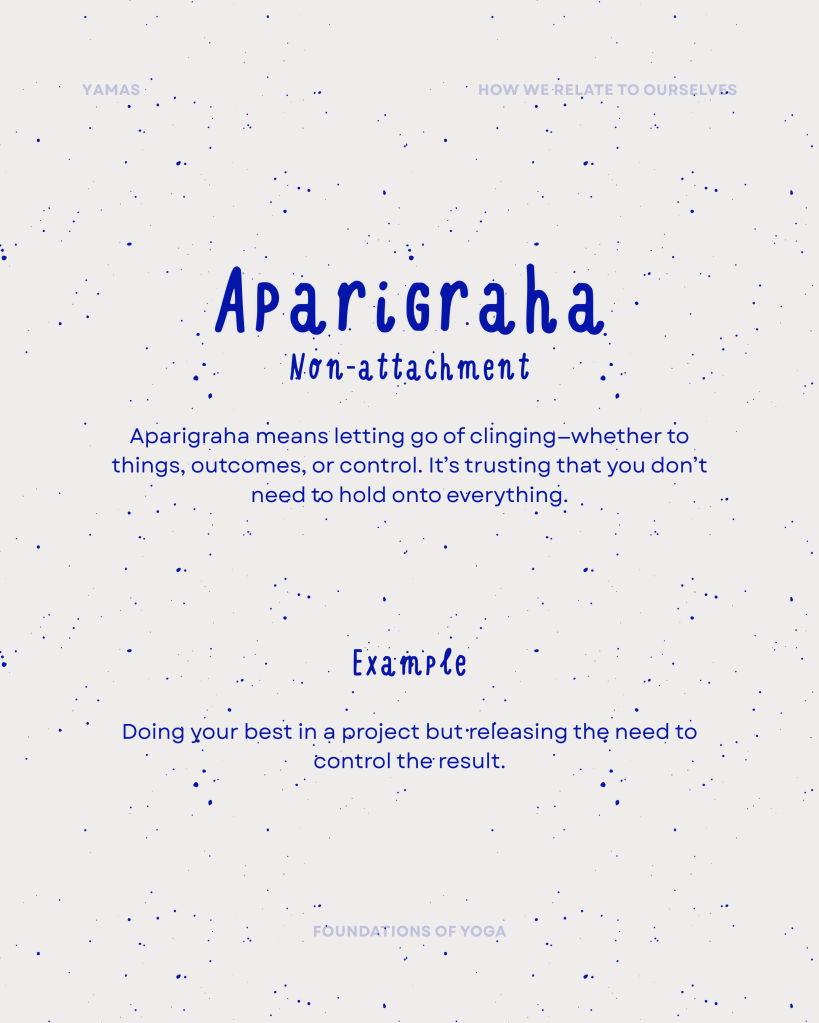
The 5 Yamas (How You Treat Others)
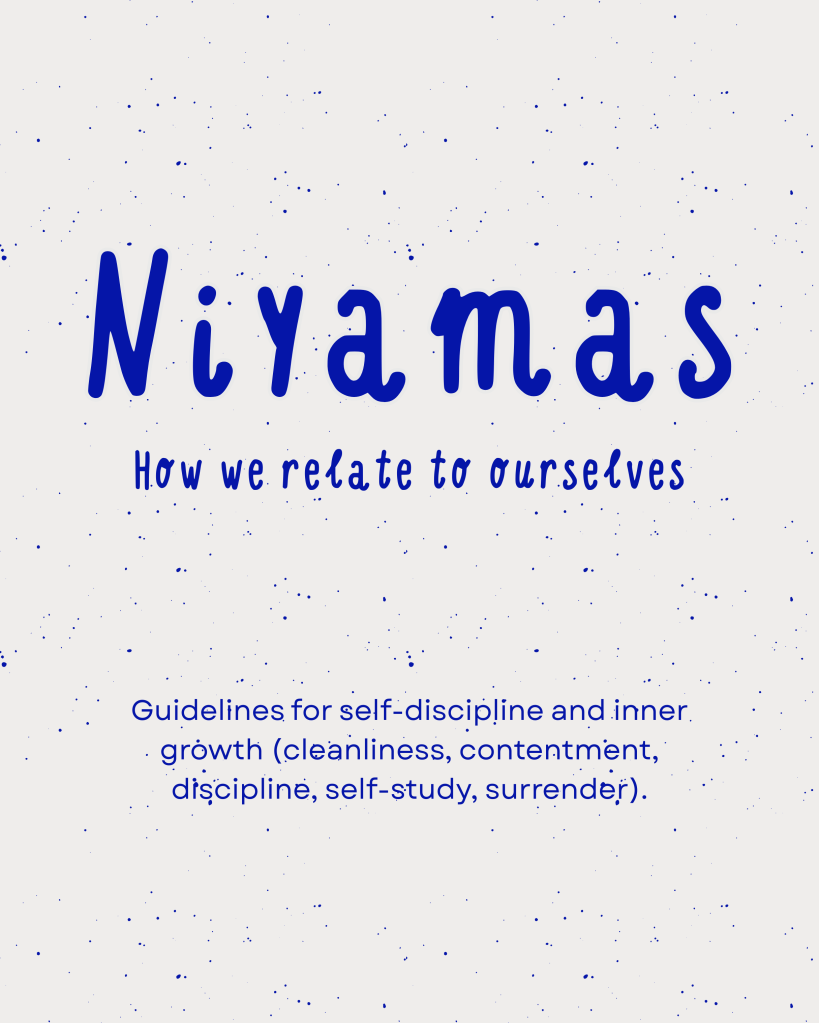
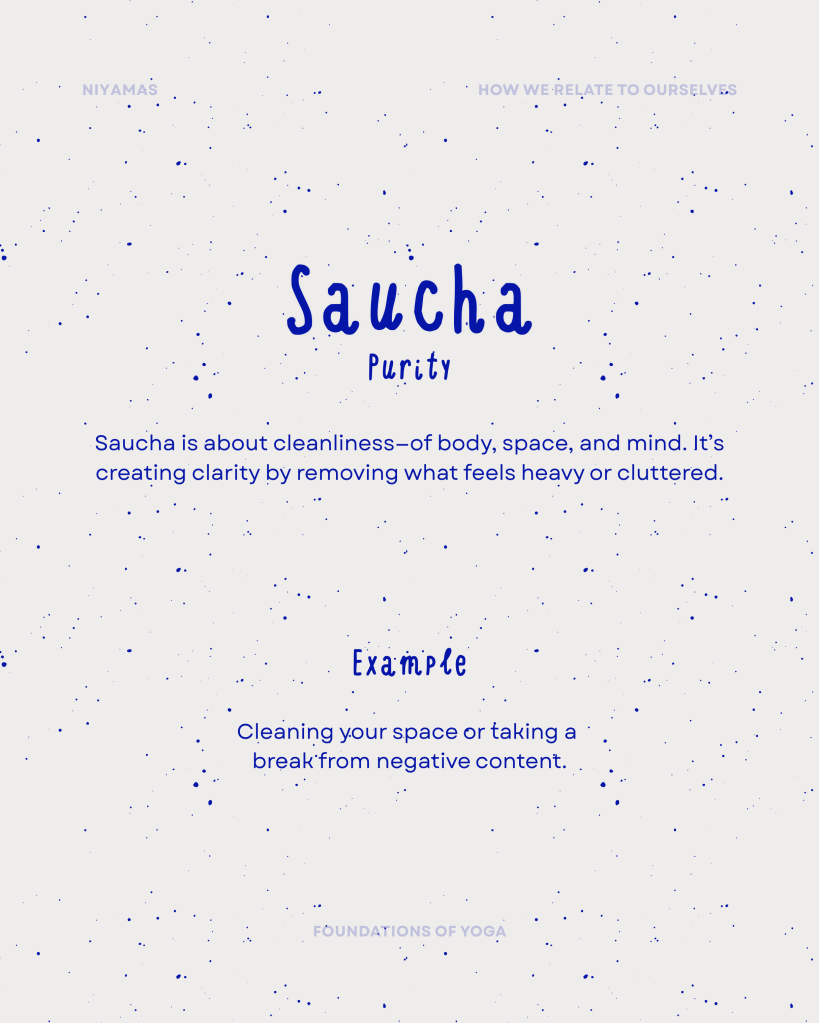
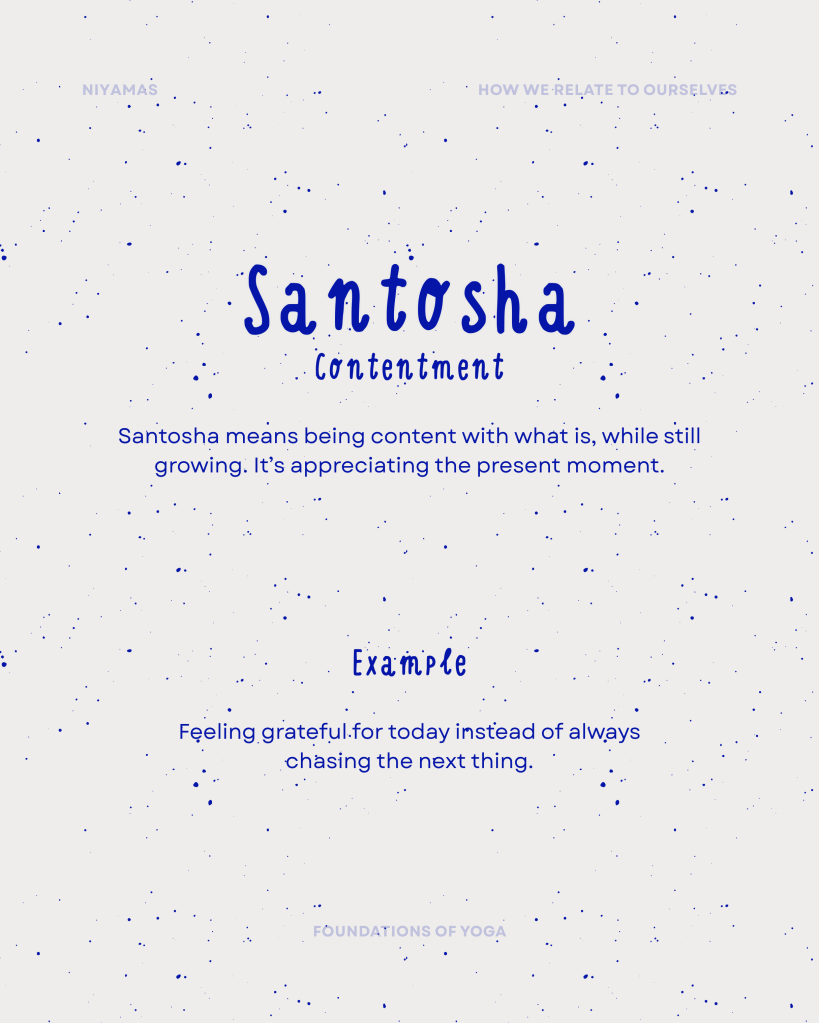
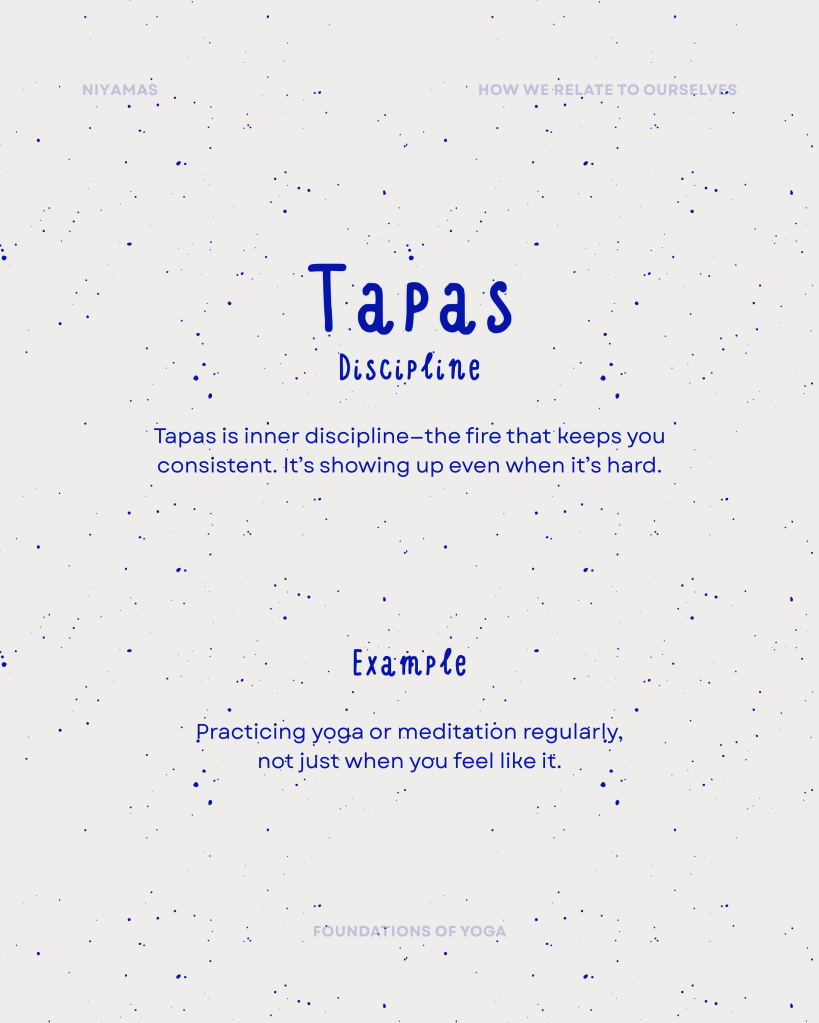
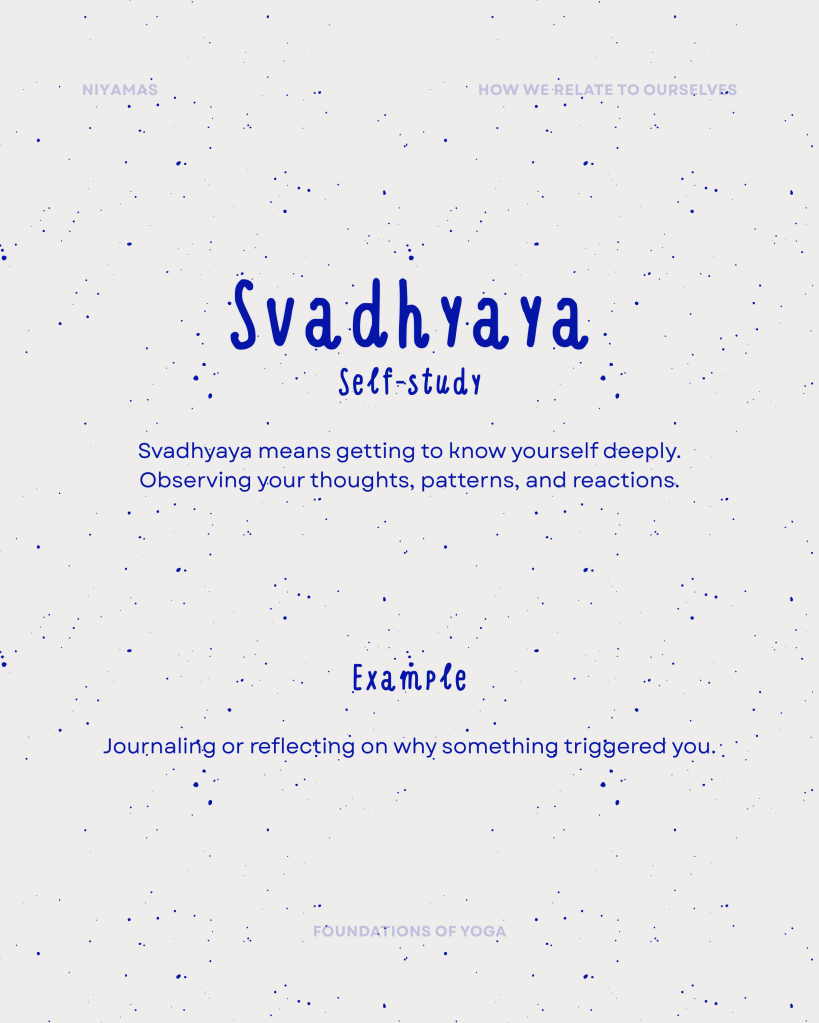
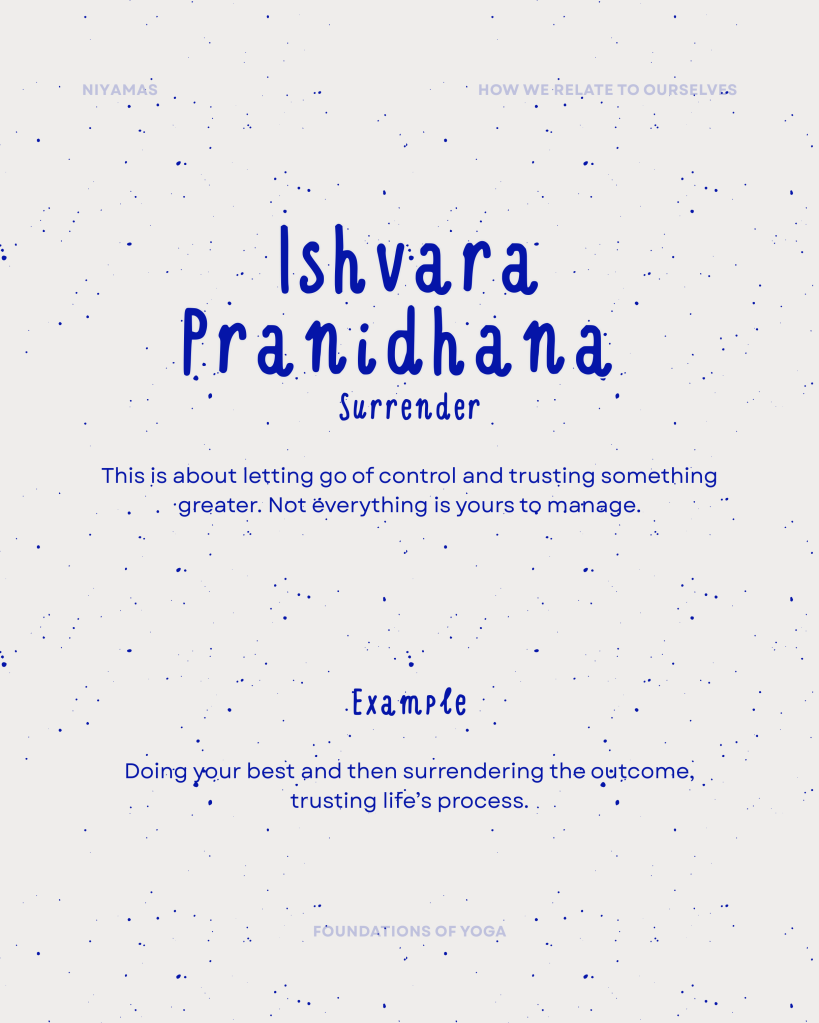
The 5 Niyamas (How You Treat Yourself)
Why Yamas and Niyamas Matter Today
These are not ancient ideas disconnected from modern life.
They show up daily:
- how you react under stress
- how you build habits
- how you treat yourself on a bad day
They are not about being perfect. They are about becoming aware.
Simple Ways to Start Applying Them:
- Pause before reacting
- Do 5 minutes instead of nothing
- Speak to yourself the way you would to a friend
- Notice your habits without judgment
- Let go of needing perfect conditions
Key Takeaways
- Yamas and Niyamas are the ethical foundation of yoga
- They guide both external behavior and inner life
- They are not rules, but practices
- Small daily actions matter more than perfection
- Awareness is the starting point of change
FAQ
What are Yamas and Niyamas in simple terms?
They are guidelines in yoga that help you live better—both with others and with yourself.
Do I need to follow all of them perfectly?
No. They are not about perfection, but awareness and progress.
Can beginners apply Yamas and Niyamas?
Yes. They are actually more useful in daily life than advanced yoga poses.
How do Yamas and Niyamas help in real life?
They improve relationships, habits, emotional control, and self-awareness.
Are Yamas and Niyamas religious?
No. They can be applied by anyone, regardless of belief.
Yoga is not only what you do on the mat. It is how you speak. How you react. How you treat yourself when no one is watching. Yamas and Niyamas bring you back to that awareness. Not perfectly. But consistently.
Which of these principles do you already live by—and which one challenges you the most right now?
 Welcome to Yatra
Leave a comment